How President Tinubu Earned Respect and Attention Globally with His Economic Reforms
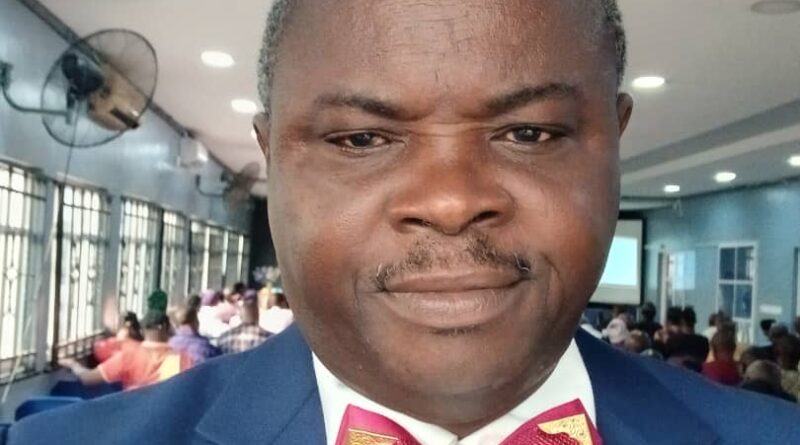
By Pastor Bayo Beckley, ACA, FCIB, MSc
Since assuming office as the President of Nigeria, Bola Ahmed Tinubu has set in motion a series of bold economic reforms aimed at transforming the Nigerian economy and positioning the country as a global player.
His approach has attracted significant attention, both domestically and internationally, and earned him respect from global economic leaders, investors, and foreign governments.
Here’s a comprehensive look at how President Tinubu earned global respect and attention through his economic reforms:
- Removal of Fuel Subsidy: A Bold Step towards Fiscal Sustainability
One of the most significant and immediate reforms President Tinubu implemented was the removal of Nigeria’s fuel subsidy.
The fuel subsidy had been a longstanding drain on the country’s finances, with estimates showing that Nigeria was spending billions of dollars annually to subsidize fuel prices.
This policy had led to inefficiencies, corruption, and an unsustainable fiscal situation.
While the subsidy removal was met with domestic protests and backlash due to the immediate rise in fuel prices, it was hailed globally as a crucial step towards economic sustainability.
By removing the subsidy, Tinubu signaled his administration’s commitment to reducing wasteful government expenditure and ensuring that Nigeria’s resources are better allocated.
This move impressed international financial institutions like the International Monetary Fund (IMF) and the World Bank, as it was seen as a long overdue fiscal reform that would help stabilize Nigeria’s economy.
- Currency Devaluation and Exchange Rate Flexibility
Another reform that garnered global attention was Tinubu’s decision to allow greater flexibility in Nigeria’s currency exchange rate.
The Central Bank of Nigeria (CBN) had maintained a controlled exchange rate for many years, which resulted in a significant gap between the official and parallel market rates.
This disparity created a black market for foreign exchange and undermined investor confidence.
By allowing the naira to float more freely and harmonizing the exchange rates, Tinubu took a courageous step toward market driven economic policies.
This was seen as an effort to attract foreign investment and reduce the pressure on Nigeria’s foreign reserves.
The move was widely praised by international investors and financial analysts as a necessary step to promote economic growth and restore trust in Nigeria’s currency markets.
- Tax Reforms and Efficiency in Revenue Generation
In addition to the fuel subsidy removal, Tinubu’s administration introduced a series of tax reforms aimed at improving Nigeria’s revenue generation capabilities.
A key initiative was the proposal to broaden the tax base by formalizing the informal sector, which accounts for a large portion of Nigeria’s economy but has historically been under taxed.
The government also streamlined tax collection processes and improved enforcement mechanisms to ensure better compliance.
This demonstrated President Tinubu’s resolve to reduce Nigeria’s reliance on oil revenue, a sector that has been volatile due to fluctuating global oil prices.
The IMF and the World Bank commended this move, as it aligns with global best practices for economic diversification and stability.
- Focus on Infrastructure Development and Public Private Partnerships (PPPs)
Tinubu’s economic agenda also placed a significant emphasis on improving Nigeria’s infrastructure through the promotion of public private partnerships (PPPs).
Recognizing that Nigeria’s infrastructure deficit has hindered economic growth, the administration sought to attract private investments into critical sectors such as transportation, energy, and healthcare.
International investors and financial institutions saw this as a positive development, as it created opportunities for foreign direct investment (FDI) and collaboration.
The increased emphasis on infrastructure is seen as a way to foster long term economic growth, create jobs, and improve Nigeria’s competitiveness on the global stage.
- Investment in Human Capital and Digital Economy
A key pillar of Tinubu’s economic reforms is the focus on human capital development and the digital economy.
The administration has made it clear that investing in education, technology, and innovation will be critical to Nigeria’s economic future.
This vision aligns with global trends, where countries are increasingly relying on a skilled workforce and technological advancements to drive economic growth.
The Tinubu administration has taken steps to ensure that Nigeria’s workforce is equipped with the skills needed to compete in the global economy.
Additionally, the country has embraced the potential of the digital economy, with policies that encourage digital entrepreneurship, fintech development, and tech based innovation.
Tinubu’s commitment to these sectors has attracted attention from international tech giants, as well as global development agencies looking to partner with Nigeria in fostering innovation and entrepreneurship.
- Anti Corruption Measures and Economic Transparency
Tinubu’s administration has prioritized tackling corruption, which has been a major challenge to Nigeria’s economic development.
Through a combination of legal reforms, increased transparency in public spending, and anti corruption initiatives, President Tinubu has sent a strong message that his government is committed to ensuring that economic resources are used efficiently and for the benefit of all Nigerians.
International organizations like Transparency International and the World Bank have commended the steps taken to combat corruption, which is seen as essential for creating a favorable investment climate.
By focusing on economic transparency, President Tinubu has reassured the global community that Nigeria is serious about creating a fair and transparent economy.
- Strategic Diplomacy and Foreign Investment Attraction
Tinubu’s economic reforms have been accompanied by a diplomatic push to attract foreign investments into Nigeria.
Through strategic diplomatic engagements, he has worked to rebuild Nigeria’s relationships with global powers, multilateral organizations, and international investors.
By positioning Nigeria as an emerging market with strong growth potential, Tinubu has successfully attracted attention from foreign investors who are eager to capitalize on the country’s untapped economic potential.
His economic diplomacy, combined with the reforms being implemented domestically, has contributed to increasing investor confidence in Nigeria.
This has been reflected in the increased inflow of foreign direct investments, as global investors look to Nigeria as a key player in the African economy.
- Commitment to Africa’s Economic Integration
President Tinubu has also made clear his commitment to driving regional economic integration in Africa.
Nigeria, as one of the largest economies on the continent, plays a crucial role in the African Continental Free Trade Area (AfCFTA) and other pan African economic initiatives.
His push for stronger economic ties between African nations reflects a forward thinking approach to regional trade and collaboration.
This vision of intra African trade and cooperation has resonated with leaders across the continent and has positioned Nigeria as a key advocate for African economic integration in global forums.
Tinubu’s leadership in this regard has earned him respect from other African nations, further strengthening his global economic standing.
Conclusion
President Bola Ahmed Tinubu’s economic reforms have reshaped Nigeria’s economic landscape and garnered global attention.
His bold actions in removing fuel subsidies, devaluing the naira, broadening the tax base, improving infrastructure, and attracting foreign investment have shown his commitment to revitalizing Nigeria’s economy.
Moreover, his efforts to fight corruption, promote transparency, and invest in human capital have been recognized as crucial steps in securing long term economic growth.
Through these reforms, Tinubu has positioned Nigeria as an emerging global economic powerhouse, earning him respect and attention from international financial institutions, investors, and governments alike.
By focusing on sustainable economic policies, fostering innovation, and promoting regional integration, President Tinubu has set Nigeria on a path toward economic prosperity and global recognition.